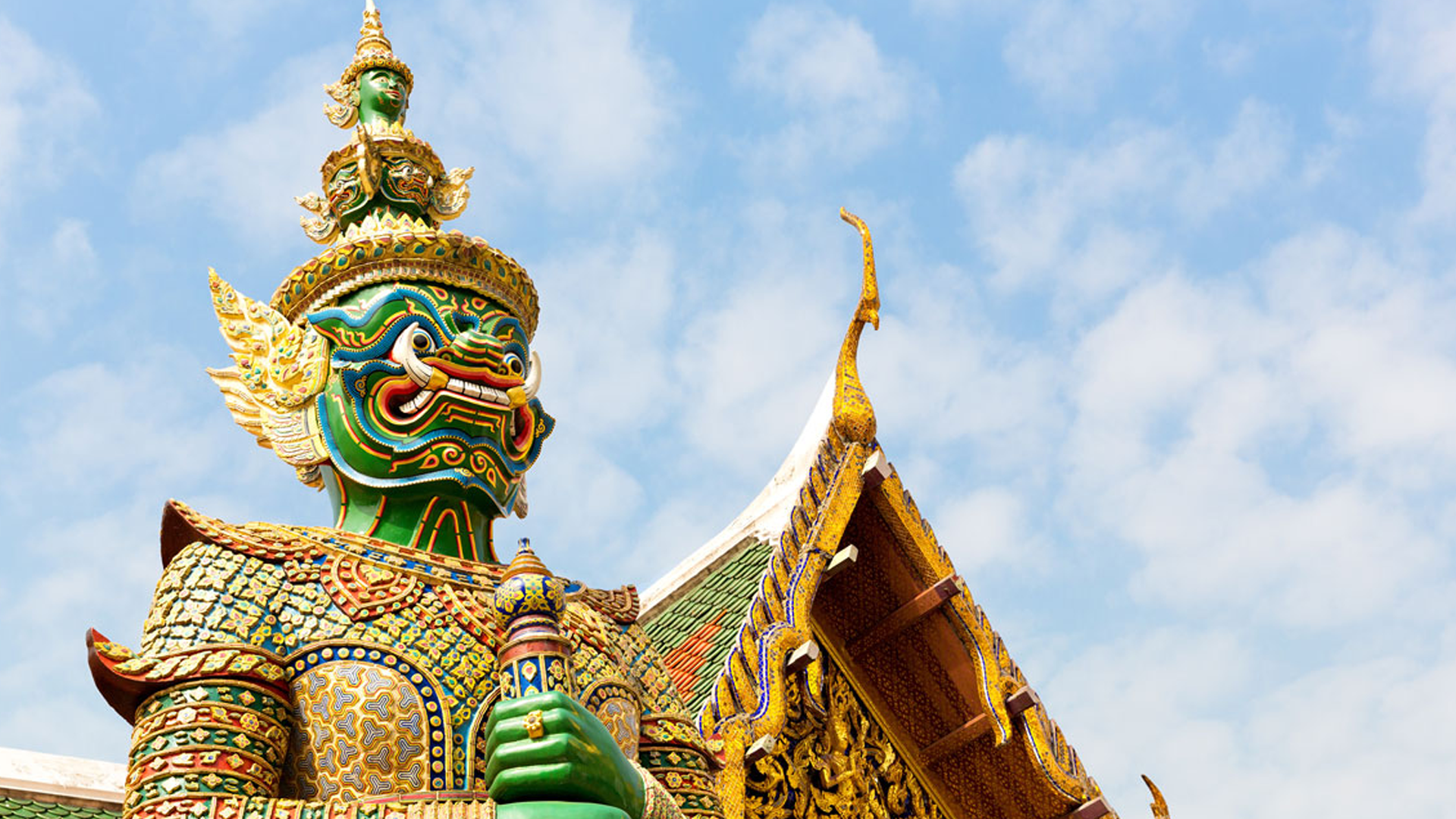

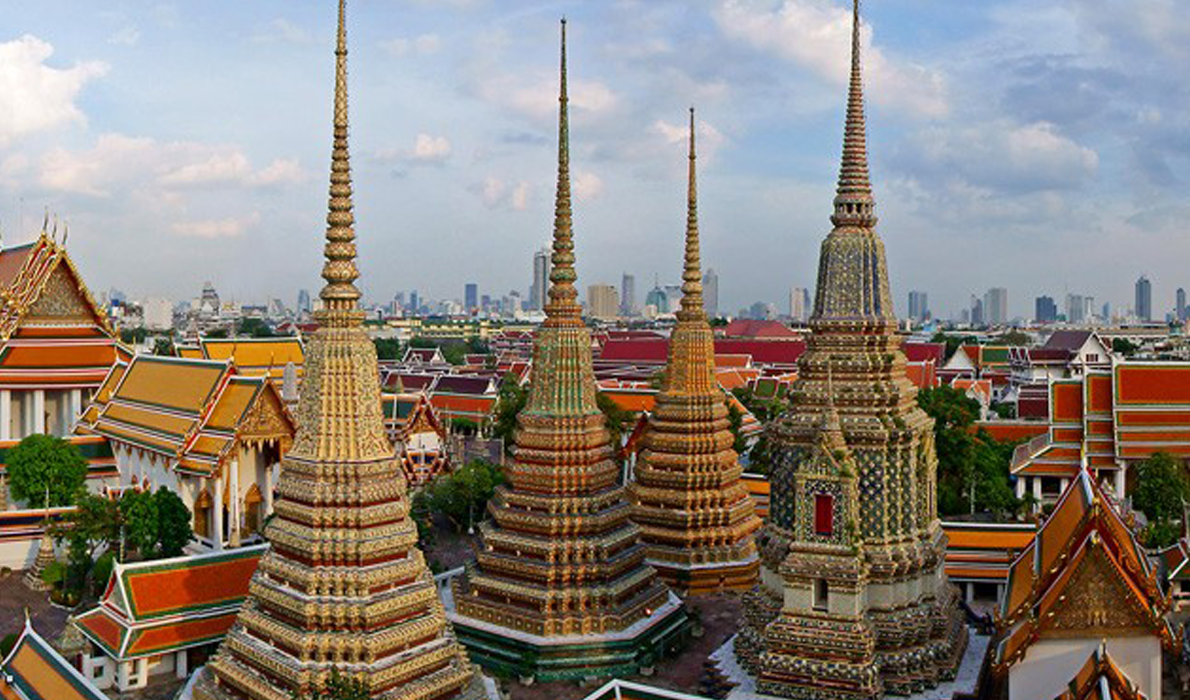
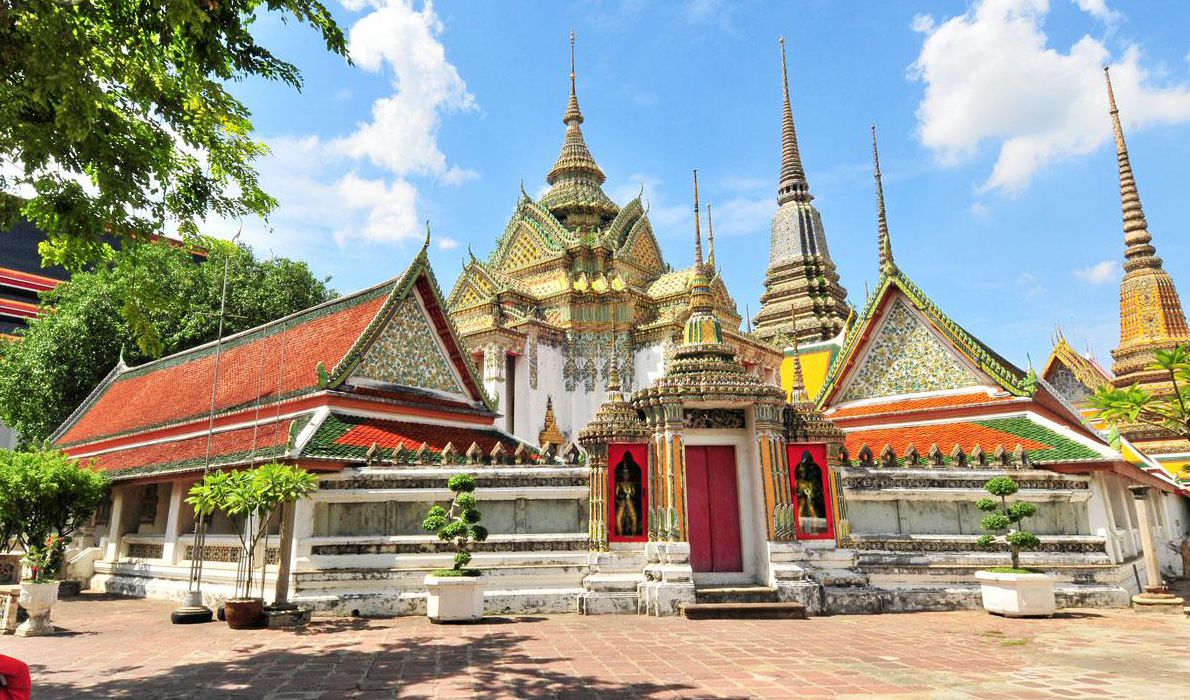
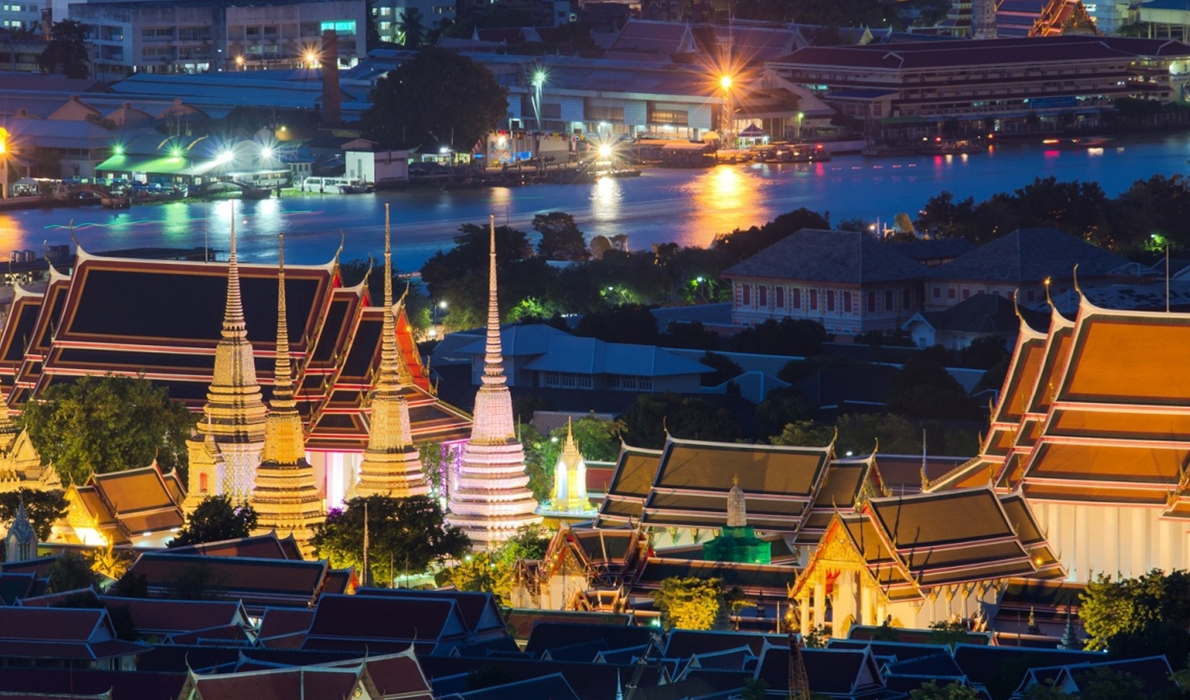
Wat Pho, officially known as Wat Phra Chetuphon Wimon Mangkhalaram
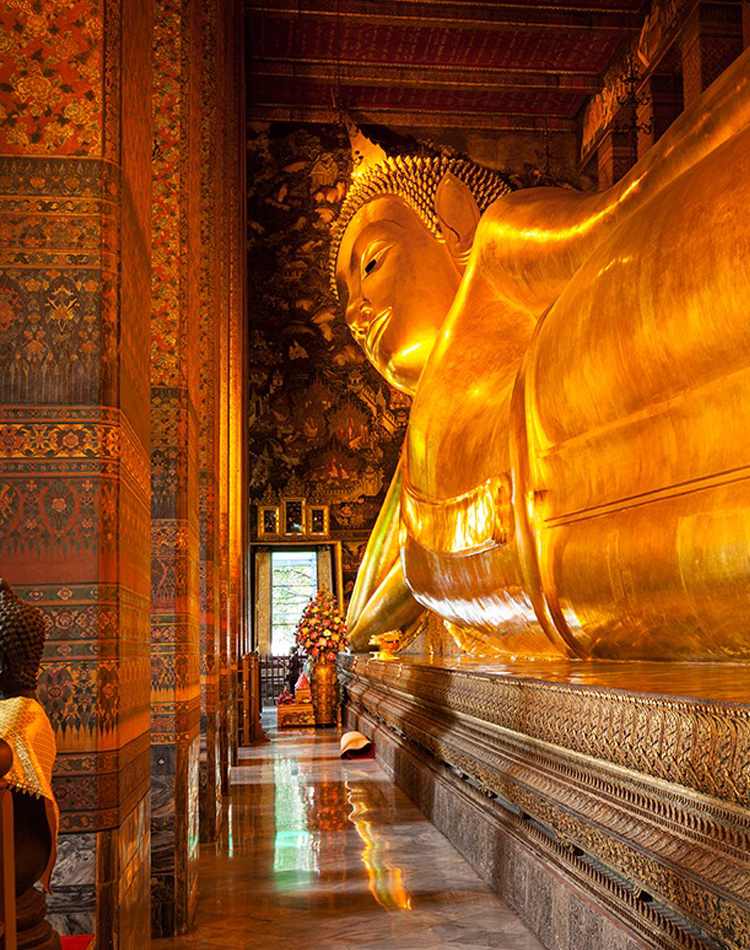
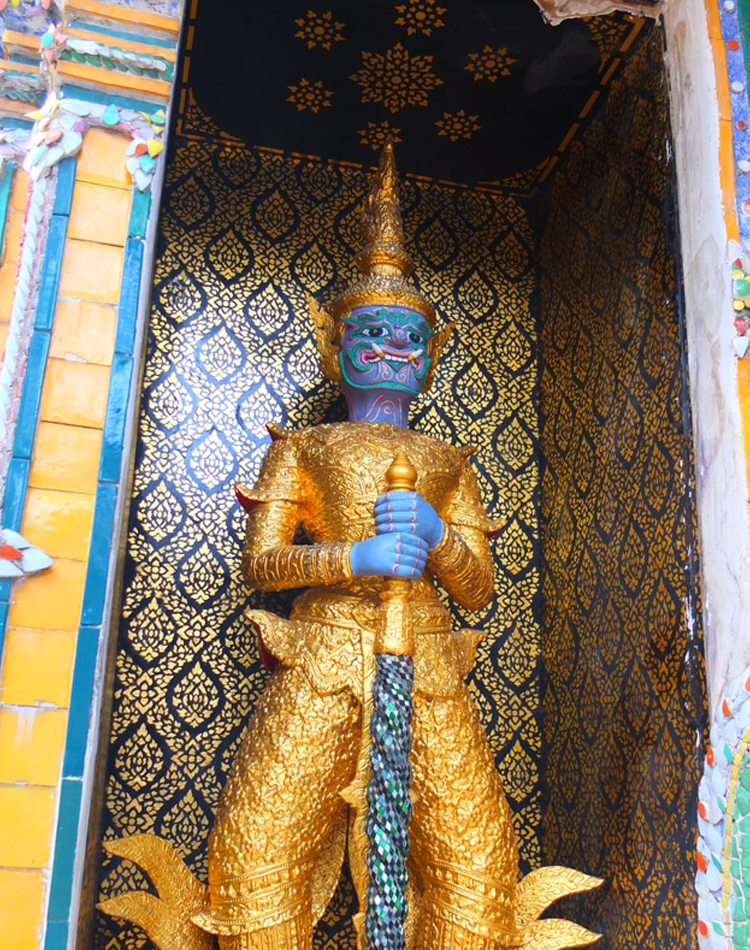
Wis one of Thailand’s most revered temples and a cornerstone of Bangkok’s cultural and spiritual identity. Among its many treasures—the Reclining Buddha, ancient murals, and traditional Thai medicine inscriptions—stand the iconic stone giants that silently guard the temple gates. These towering figures are more than decorative sculptures; they are symbols of faith, protection, and the layered legends of Siam.
Origins of the Temple Guardians
Symbolism and Spiritual Meaning.
The giants of Wat Pho were installed during the early Rattanakosin period, particularly under the reign of King Rama III in the 19th century.
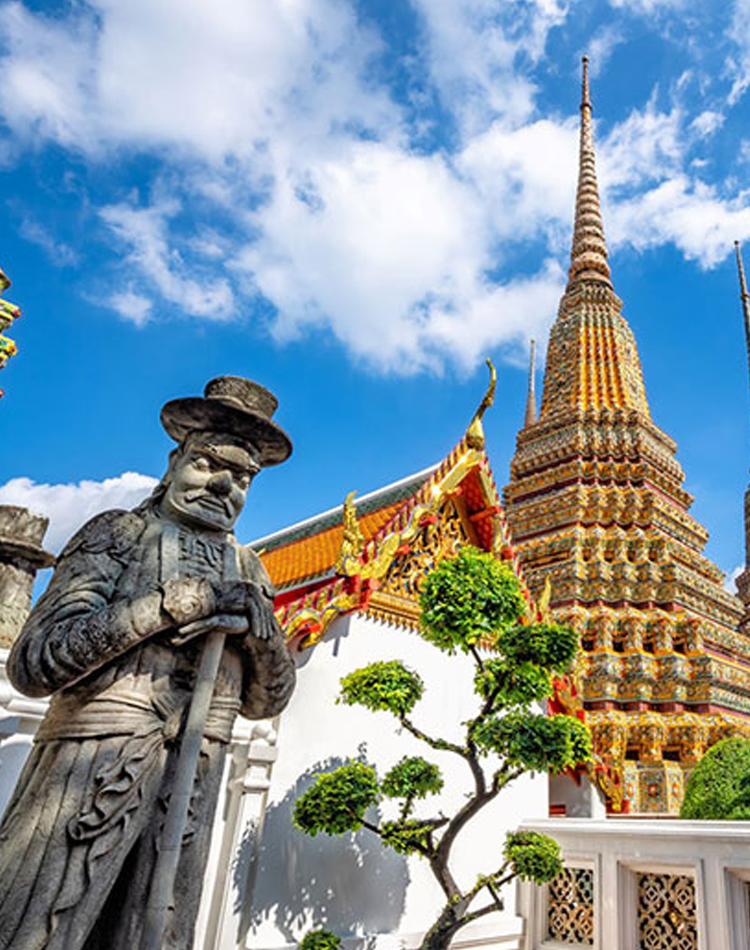
At that time, Siam maintained strong trade relations with China, and many stone statues originally arrived in Bangkok as ballast on Chinese trading ships. Once unloaded, these statues were repurposed and transformed into guardians of temples and palaces, blending Chinese artistic influence with Thai spiritual meaning.
Legends and Local Stories
Chinese Influence and Artistic Fusion.
Unlike the yaksha giants commonly seen in Thai literature, the Wat Pho giants are distinctive in appearance. Each figure wears elaborate armor, holds symbolic weapons, and displays unique facial expressions—some stern, some calm—reflecting different personalities and protective roles. Over time, these statues became deeply integrated into Thai religious architecture.
Guardians of the Past and Present.
Today, the giants of Wat Pho are among the most photographed and recognizable symbols of Bangkok. They appear in guidebooks, educational materials, and cultural exhibitions, representing Thailand’s deep-rooted respect for tradition. For visitors, they offer a moment of pause before entering the temple—a visual invitation to reflect and show reverence.
Beyond tourism, the giants continue to hold spiritual significance. Worshippers often pass them with a wai (traditional Thai greeting), acknowledging their role as guardians. This simple gesture reflects how ancient beliefs remain woven into everyday life..
Legends and Local Stories.
Over generations, local legends have grown around the giants of Wat Pho. Some stories claim that the statues come alive at night to patrol the temple grounds, protecting it from harm. Others say that each giant possesses a unique spirit, offering silent blessings to those who enter with respect.
For many Thai people, these stories are not meant to be taken literally but serve as moral reminders. The giants embody the idea that sacred places are alive with meaning and that human actions—good or bad—are always witnessed.
The Giants in Modern Thai Culture
The giants of Wat Pho stand at the intersection of history.
faith, and legend. They remind us that temples are not only architectural landmarks but also living spaces shaped by belief, storytelling, and cultural exchange. As guardians of faith and legends of Siam, these silent sentinels continue to watch over Wat Pho, linking the spiritual past with the present and inspiring awe in all who pass through their gaze..
Sawasdee! I’m a freelance writer dedicated to uncovering the vibrant soul of Thailand. From the bustling streets of Bangkok to hidden cultural gems and local culinary wonders, I craft engaging stories that bring the Thai experience to life.
All author postsRelated posts
-
In difficult times, fashion is always outrageous.
Lorem ipsum dolor consectetur adipiscing elit finibus purus..
-
We must never confuse elegance with snobbery.
Lorem ipsum dolor consectetur adipiscing elit finibus purus..
-
Elegance is not standing out, but being remembered.
Lorem ipsum dolor consectetur adipiscing elit finibus purus..
4 Comments
-
Herman Miller Reply17 July 2020, 6:05 PM
Lorem ipsum is simply dummy text of the printing and typesetting industry. Lorem ipsum has been the industry's standard dummy text ever since the make book.
-
Wilbur Haddock Reply18 July 2020, 10:19 PM
Lorem ipsum is simply dummy text of the printing and typesetting industry. Lorem ipsum has been the industry's standard dummy text ever since.
-
Colene Landin Reply18 July 2020, 12:39 PM
Lorem ipsum is simply dummy text of the printing and typesetting industry. Ipsum has been the industry's standard dummy text.
-
-
Jennifer Freeman Reply19 July 2020, 8:25 PM
Lorem ipsum is simply dummy text of the printing and typesetting industry. Lorem ipsum has been the industry's standard dummy text ever since the make a type specimen book.
Write a comment