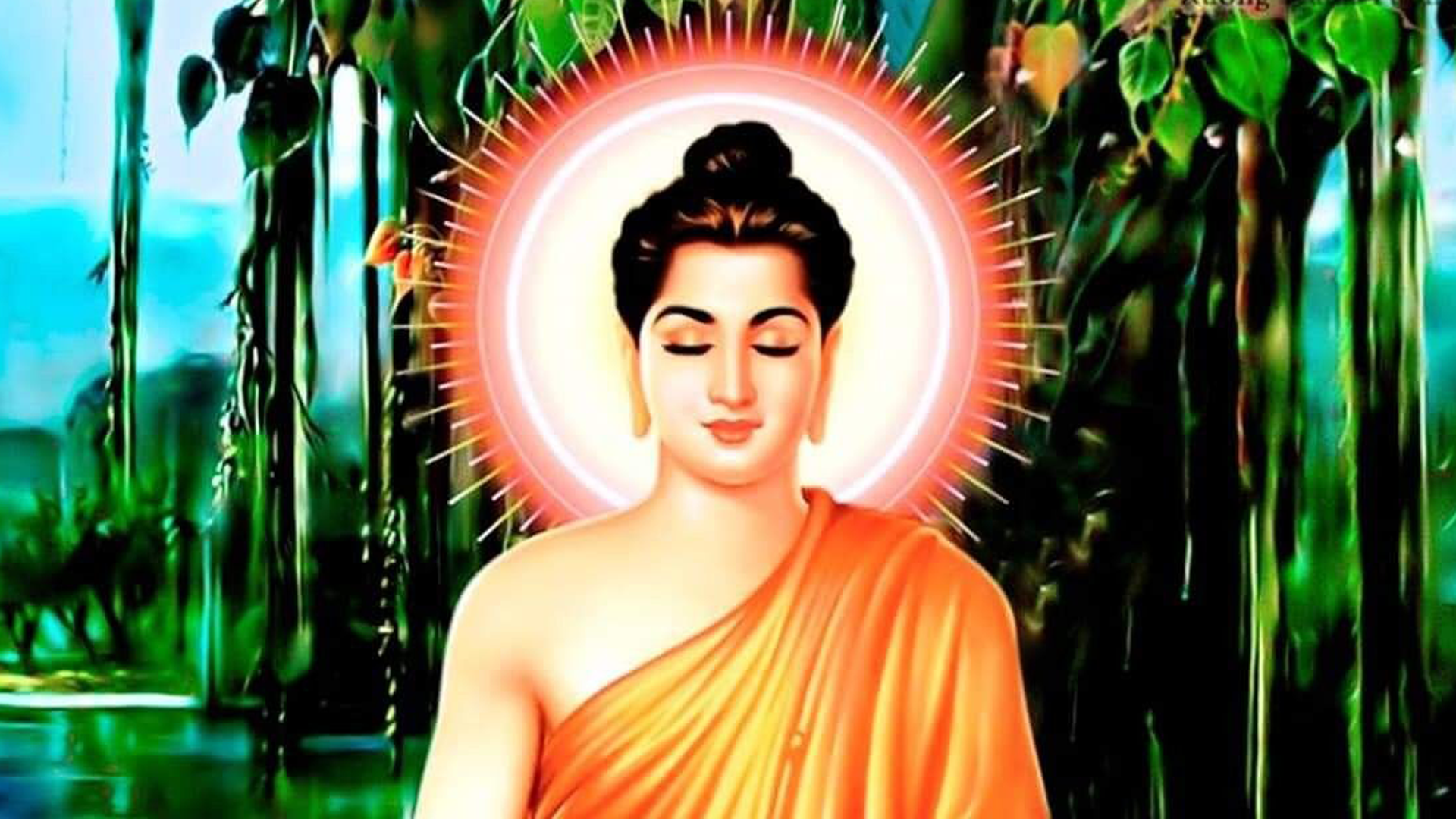

Buddha images are among the most powerful and enduring symbols in human history.
WAcross centuries, cultures, and nations, images of the Buddha have represented peace, wisdom, compassion, and unwavering faith. Far beyond being objects of art, Buddha images embody spiritual ideals that guide millions of people in their daily lives. Their calm presence transcends time, reminding humanity of inner peace and the path toward enlightenment. Timeless Symbols of Peace In a world often marked by conflict and division, Buddha images stand as enduring symbols of peace and faith. Their gentle expressions and balanced forms remind humanity that true strength lies in compassion and understanding. Whether viewed in a grand temple or a quiet corner of a home, Buddha images continue to transcend time. They speak a universal language of peace, guiding hearts toward mindfulness, harmony, and lasting faith.
Symbolism in Posture and Gesture
Symbolism and Spiritual Meaning.
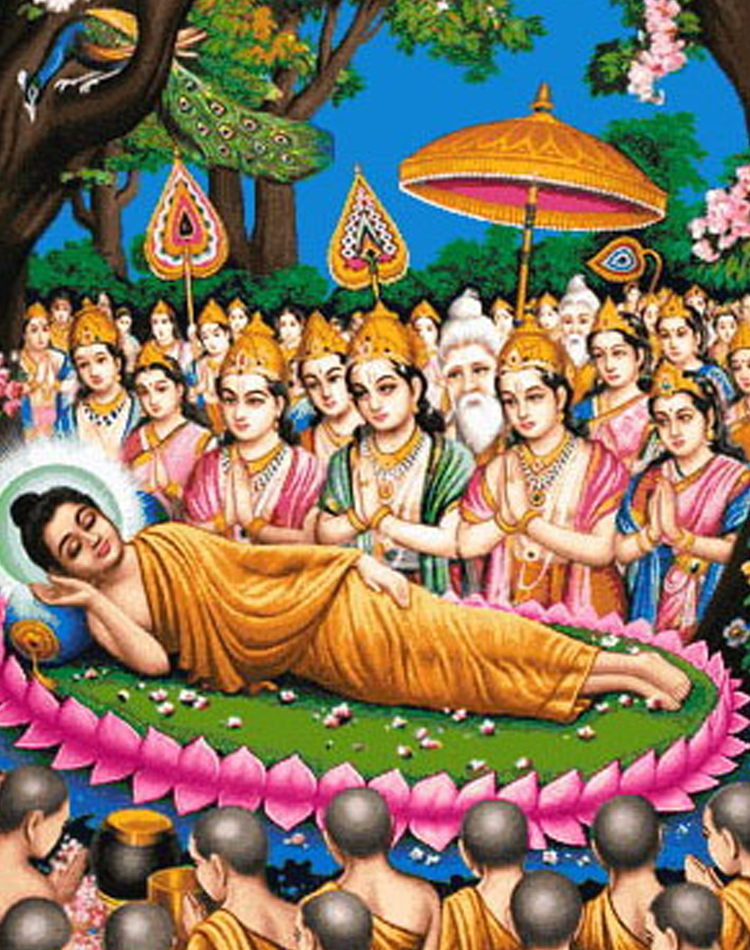
In the early centuries after the Buddha’s passing, followers avoided depicting him in human form. Instead, symbols such as the Bodhi tree, footprints, or the Dharma wheel were used to represent his teachings. It was not until around the 1st century CE, influenced by Gandhara and Mathura art traditions, that Buddha images in human form began to appear. These early images laid the foundation for artistic styles that would later spread across Asia.
As Buddhism expanded into Sri Lanka, Thailand, Cambodia, China, Japan, and beyond, each culture adapted the Buddha’s image to reflect local aesthetics while preserving core spiritual meanings. This adaptability is one reason Buddha images remain timeless and universally resonant.
Origins of Buddha Images
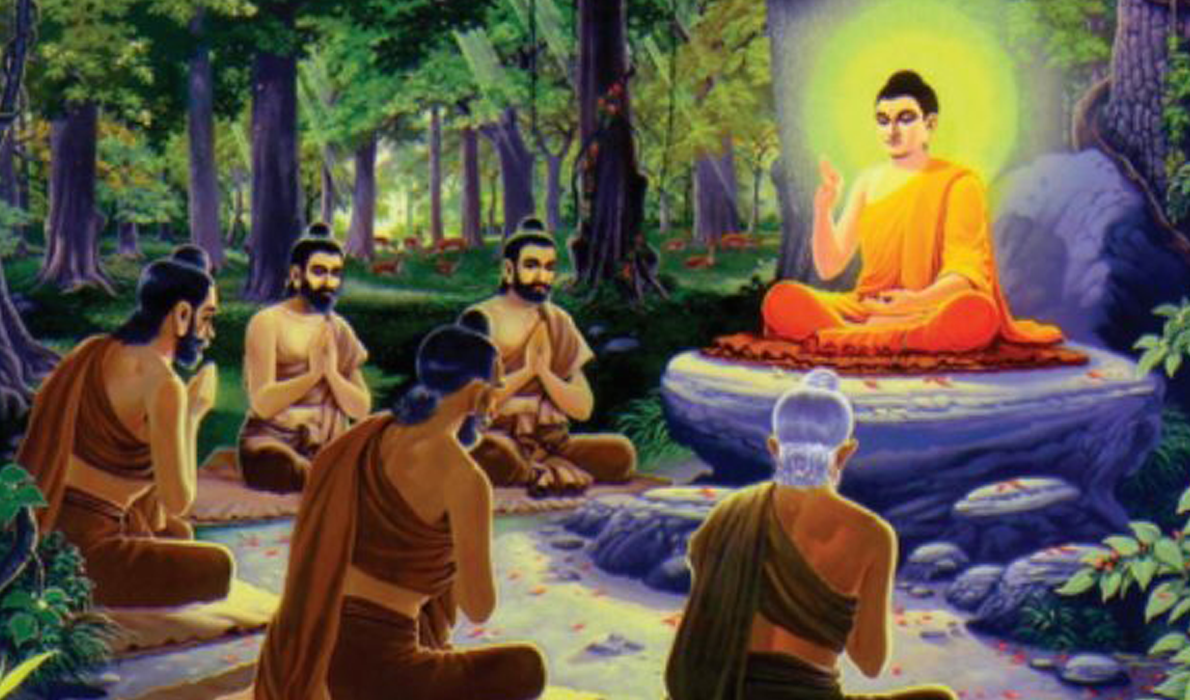
In the early centuries after the Buddha’s passing, followers avoided depicting him in human form. Instead, symbols such as the Bodhi tree.
footprints, or the Dharma wheel were used to represent his teachings. It was not until around the 1st century CE, influenced by Gandhara and Mathura art traditions, that Buddha images in human form began to appear. These early images laid the foundation for artistic styles that would later spread across Asia. As Buddhism expanded into Sri Lanka, Thailand, Cambodia, China, Japan, and beyond, each culture adapted the Buddha’s image to reflect local aesthetics while preserving core spiritual meanings. This adaptability is one reason Buddha images remain timeless and universally resonant..
Every detail of a Buddha image carries deep symbolic meaning.
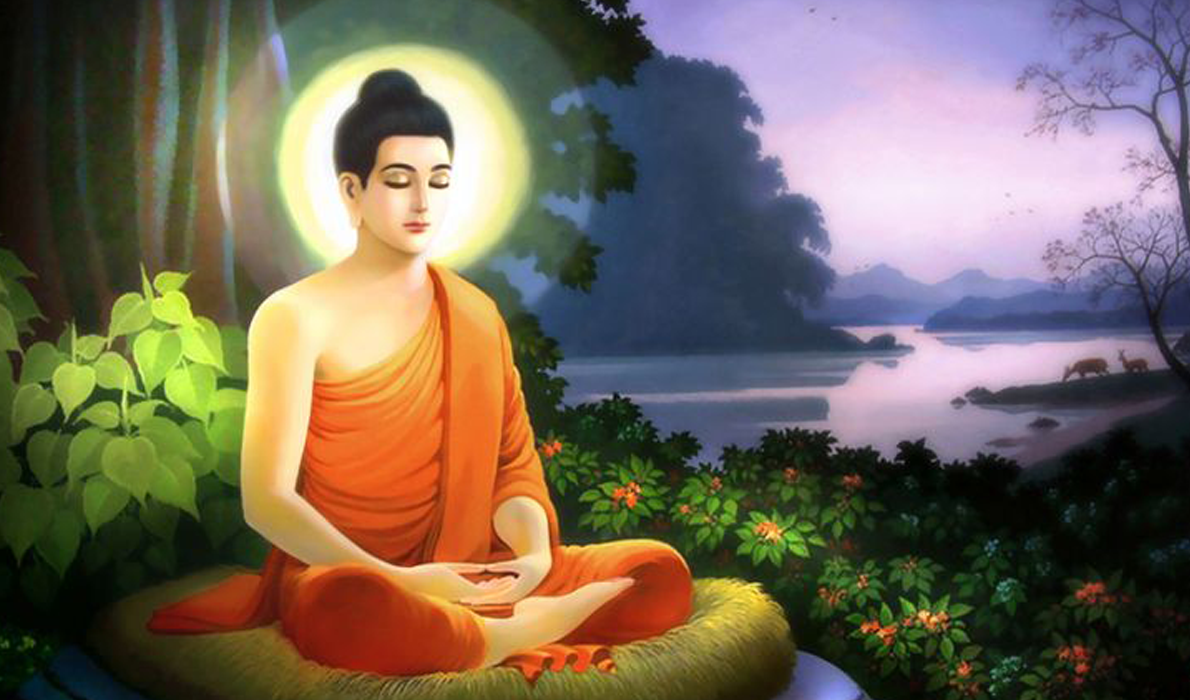
The posture, facial expression, and hand gestures—known as mudras—communicate essential aspects of Buddhist teachings. For example, the seated meditation posture represents concentration and inner calm, while the standing Buddha often symbolizes compassion and guidance.
Common mudras include the Dhyana Mudra (meditation), symbolizing mental balance; the Bhumisparsha Mudra (earth-touching), representing the moment of enlightenment; and the Abhaya Mudra (fearlessness), which conveys protection and reassurance. These gestures allow believers to connect visually and emotionally with the Buddha’s teachings.
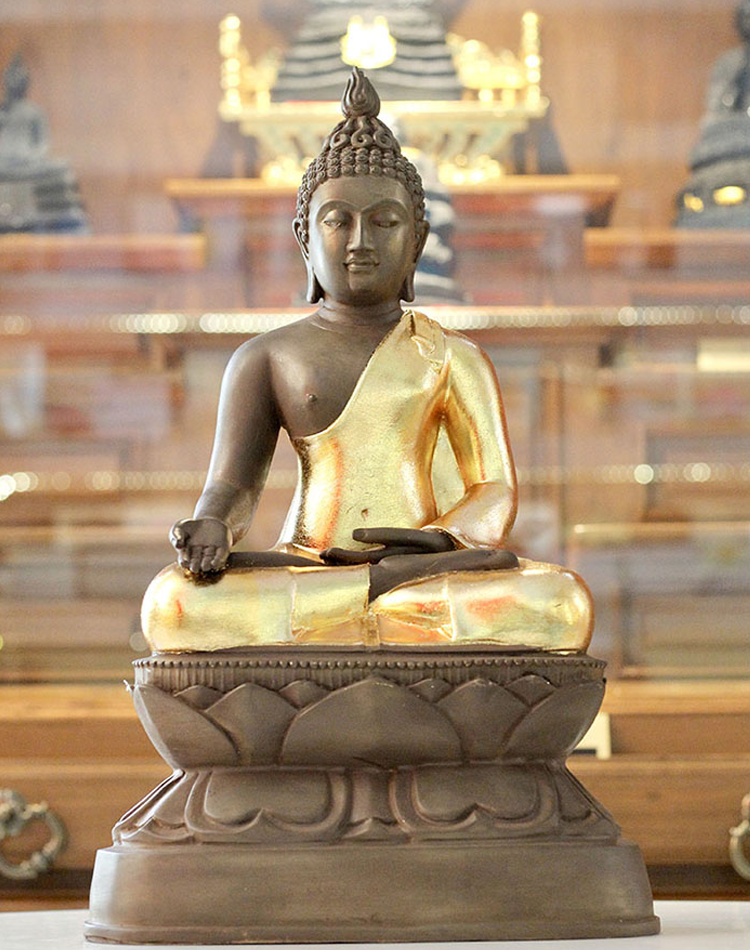
Artistic Styles Across Cultures.
Buddha images vary greatly across regions, reflecting cultural diversity while maintaining spiritual unity. Thai Buddha images are known for their graceful curves, serene smiles, and flame-like ushnisha symbolizing wisdom. In contrast, Chinese Buddha statues often emphasize compassion and benevolence, while Japanese styles favor simplicity and subtle elegance. Despite these differences, all Buddha images share a sense of harmony and tranquility. This universal aesthetic reinforces the idea that peace and faith transcend cultural boundaries.
For Buddhists, Buddha images are not worshipped as gods but revered as representations of enlightenment and moral guidance. They serve as focal points for meditation, prayer, and reflection. Standing before a Buddha image encourages mindfulness, humility, and self-awareness. In homes and temples, Buddha images create sacred spaces that inspire ethical living and inner discipline. Even for non-Buddhists, these images often evoke calmness and spiritual curiosity, demonstrating their broad emotional impact.
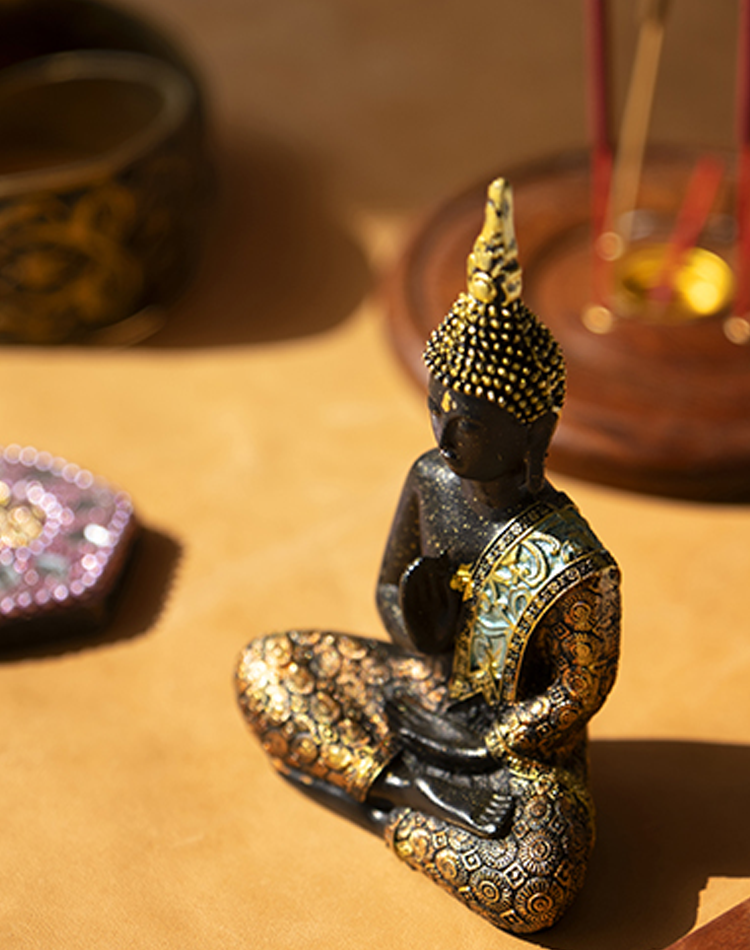
Buddha Images in Daily Life
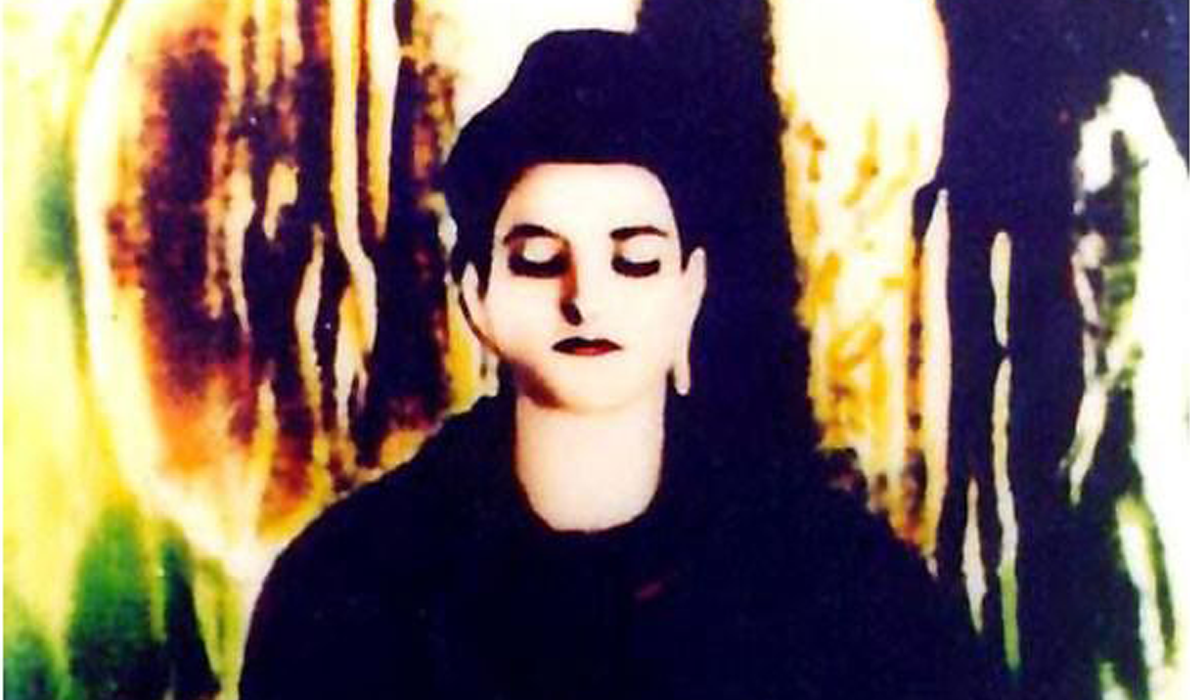
Preservation and Cultural Heritage.
Throughout Asia, Buddha images are woven into everyday life. They appear in temples, homes, public spaces, and even workplaces. Travelers often encounter them along roadsides or atop hills, silently watching over communities. These images serve as constant reminders of compassion, patience, and balance—values that remain relevant in modern, fast-paced societies. In times of stress or uncertainty, the serene face of the Buddha offers comfort and perspective. Many ancient Buddha images are considered priceless cultural treasures. From the massive stone Buddhas of Bamiyan (now lost) to the Emerald Buddha of Thailand and the Great Buddha of Nara in Japan, these images connect present generations with centuries of spiritual history. Preserving Buddha images is not only about protecting art but also safeguarding collective wisdom and belief systems passed down through time.
Sawasdee! I'm a freelance writer dedicated to uncovering the vibrant soul of Thailand. From the bustling streets of Bangkok to hidden cultural gems and local culinary wonders, I craft engaging stories that bring the Thai experience to life.
All author postsRelated posts
-
Wat Ban Rai — The Legacy of Luang Phor Koon: A Timeless Journey of Faith.
Wat Ban Rai and Luang Phor Koon, Nakhon Ratchasima..
-
Religion and Beliefs of the Lanna People in Northern Thailand.
From ancient animism and Theravada Buddhism to sacred rituals and protective spirits..
-
5 Most Popular Thai Yantra Tattoo Designs Worldwide.
Sacred Sak Yant tattoos carry protective blessings and ancient spiritual significance..


4 Comments
-
Herman Miller Reply17 July 2020, 6:05 PM
Lorem ipsum is simply dummy text of the printing and typesetting industry. Lorem ipsum has been the industry's standard dummy text ever since the make book.
-
Wilbur Haddock Reply18 July 2020, 10:19 PM
Lorem ipsum is simply dummy text of the printing and typesetting industry. Lorem ipsum has been the industry's standard dummy text ever since.
-
Colene Landin Reply18 July 2020, 12:39 PM
Lorem ipsum is simply dummy text of the printing and typesetting industry. Ipsum has been the industry's standard dummy text.
-
-
Jennifer Freeman Reply19 July 2020, 8:25 PM
Lorem ipsum is simply dummy text of the printing and typesetting industry. Lorem ipsum has been the industry's standard dummy text ever since the make a type specimen book.
Write a comment